How to Build Career Skills While Studying
Build Career Skills a successful career starts long before graduation. For students in the United States, learning career skills while studying is no longer just an advantage; it’s a necessity. Employers today seek graduates who not only excel academically but also demonstrate practical skills, adaptability, and professional experience. Balancing studies with skill development may seem challenging, but with intentional strategies, students can prepare for the workforce and stand out in a competitive job market.
Developing career skills while in school gives students the confidence, experience, and networks that can make the transition from classroom to career smoother. This guide explores actionable ways to enhance your career readiness, build valuable skills, and leverage educational opportunities effectively.
Understanding the Importance of Career Skills Early
Many students focus solely on grades, believing academic achievement is the key to success. While strong grades matter, employers increasingly prioritize soft skills, technical competencies, and practical experience. Skills such as communication, problem-solving, leadership, and digital literacy often determine who gets hired and who advances in their careers.
Starting early allows students to experiment, learn from mistakes, and refine their abilities. For instance, developing leadership through a student organization or volunteering provides real-world experience that no textbook can offer. Moreover, acquiring skills during college sets students apart, demonstrating initiative and a proactive mindset that employers value highly.
Career skills acquired during study years are not just for the first job—they are foundational for long-term professional growth. Skills like teamwork, time management, and critical thinking carry through every career stage, shaping how effectively you navigate challenges and opportunities.
Identify Your Career Goals
Career Skills Before diving into skill-building, it’s essential to define your career goals. Understanding the field, you want to enter helps you focus on the most relevant skills. Take time to research industries, job roles, and career trajectories. For example, a student interested in software development should prioritize coding, problem-solving, and project management skills, whereas a student pursuing marketing might focus on communication, creativity, and data analysis.
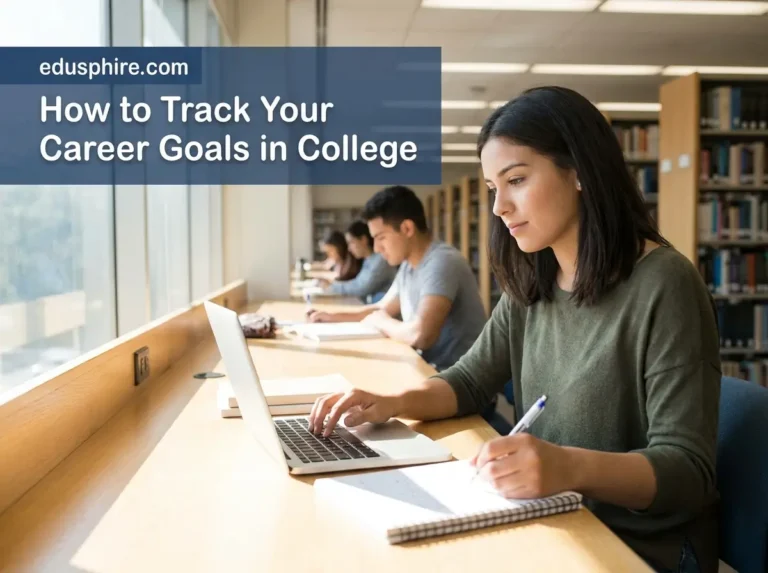
Setting clear goals creates direction and motivation. Once you know your target, you can seek out opportunities that directly enhance your employability. This proactive approach ensures your efforts are strategic, rather than scattered, making the time invested in skill-building more effective and rewarding. Visit Track Your Career Goals in College.
Leverage Coursework for Practical Learning
Career Skills in College courses often offer more than theoretical knowledge—they are platforms to practice career-related skills. Engaging fully with assignments, projects, and class discussions can strengthen problem-solving, research, and presentation abilities. Students should treat projects as mini-work experiences. For example, a group project can improve collaboration, leadership, and conflict-resolution skills. Writing-intensive courses enhance communication, while technical assignments sharpen analytical thinking.
Students can also choose electives that complement their desired career path. For example, taking a public speaking course benefits nearly every career, while coding or data analysis classes are invaluable for technology-focused fields. Integrating academic learning with practical skill development maximizes the value of your education.
Gain Work Experience Through Internships and Part-Time Jobs
Internships and part-time jobs are some of the most effective ways to build career skills while studying. They provide exposure to real-world work environments, professional expectations, and industry practices. Internships allow students to apply classroom knowledge to actual projects, gain mentorship, and expand professional networks.
Even part-time jobs unrelated to your major can be beneficial. Roles in retail, customer service, or campus organizations can develop communication, teamwork, and problem-solving skills. The key is to approach every role with intentionality, seeking opportunities to learn and contribute meaningfully. Documenting achievements, tasks completed, and skills gained during these roles can also enhance resumes and LinkedIn profiles.
Develop Soft Skills
Soft Career Skills are increasingly critical in the modern workforce. While technical expertise opens doors, soft skills keep them open and facilitate career advancement. Skills such as communication, adaptability, leadership, and time management are essential across all industries.
Students can develop these skills through participation in student organizations, clubs, sports, and volunteer opportunities. Leadership positions, even small ones, help cultivate responsibility, decision-making, and interpersonal skills. Collaboration in group projects or student committees strengthens teamwork, negotiation, and conflict resolution abilities. Additionally, public speaking and debate activities enhance confidence and persuasive communication.
Soft skills often differentiate candidates with similar academic achievements. By developing these abilities while studying, students position themselves as well-rounded professionals ready to handle the demands of modern workplaces.
Embrace Technology and Digital Literacy
Digital Career Skills are no longer optional—they are essential. From basic software proficiency to more advanced technical abilities, being digitally literate can significantly improve career prospects. Students should familiarize themselves with tools relevant to their field, such as Microsoft Office, Google Workspace, data analytics software, or industry-specific platforms.
Learning coding languages, website development, or data visualization skills can make students more competitive, particularly in technology-driven industries. Even understanding social media marketing, digital communication, and online collaboration tools adds significant value. Many online platforms offer free or affordable courses to build these skills, allowing students to supplement their formal education with targeted training.
Network Strategically
Networking is a powerful career skills that is often overlooked by students. Building meaningful professional connections can provide mentorship, advice, internship opportunities, and job leads. Students should attend career fairs, industry conferences, workshops, and alumni events to meet professionals in their field.
Social media platforms, especially LinkedIn, are valuable tools for networking. Students can create professional profiles, connect with industry professionals, participate in discussions, and showcase projects or portfolios. Effective networking requires authenticity and consistent engagement rather than simply collecting contacts.
Developing networking skills early also helps students learn professional etiquette, communication styles, and relationship-building strategies—skills that are invaluable throughout their careers.
Participate in Extracurricular Activities
Extracurricular activities are excellent avenues for Career Skills development. Clubs, student organizations, sports, and volunteer work offer practical experiences that complement academic learning. For example, managing a club’s budget develops financial literacy, while organizing events enhances project management and organizational skills.
Students can also explore leadership opportunities within these activities, honing decision-making, strategic planning, and team coordination abilities. Participation in diverse activities broadens perspectives, strengthens soft skills, and demonstrates initiative to future employers.
Seek Mentorship and Guidance
Mentorship is a key factor in career development. Experienced mentors provide guidance, feedback, and insights into industry trends and professional growth. Students can seek mentors among professors, internship supervisors, alumni, or industry professionals.
A mentor can help identify skill gaps, recommend resources, and offer advice on career strategies. Regular mentorship interactions encourage reflection, accountability, and personal growth, helping students navigate challenges and make informed decisions.
Build a Personal Brand
In today’s digital era, a strong personal brand can set students apart. Personal branding involves showcasing your skills, experiences, and professional identity to create a consistent and appealing professional image. Maintaining an updated LinkedIn profile, creating a portfolio, or contributing to blogs or industry publications can strengthen your brand.
A personal brand signals professionalism, credibility, and initiative. Employers often research candidates online, so cultivating a positive digital presence is a critical career skill. Students should highlight achievements, share projects, and engage in professional communities to enhance visibility and credibility.
Practice Time Management and Productivity
Balancing studies with skill-building requires excellent time management. Students must prioritize tasks, set goals, and establish routines to ensure consistent progress. Effective time management reduces stress, increases productivity, and creates space for both academic and professional growth.
Using planners, digital calendars, or productivity apps can help organize schedules and track progress. Developing the discipline to manage deadlines, commitments, and personal goals is a skill that carries into the professional world, where time management is highly valued.
Engage in Continuous Learning
Career development is a lifelong process. Students should adopt a mindset of continuous learning, seeking opportunities to expand knowledge and skills beyond the classroom. Online courses, webinars, workshops, and certifications provide avenues for skill enhancement in specialized areas.
Staying informed about industry trends, emerging technologies, and best practices ensures students remain competitive in the job market. Employers favor candidates who demonstrate curiosity, adaptability, and a commitment to professional growth.
Practice Problem-Solving and Critical Thinking
Employers value individuals who can identify problems, analyze situations, and develop solutions. Students can practice these skills through case studies, research projects, group problem-solving activities, or competitions. Engaging in analytical thinking, evaluating data, and exploring multiple perspectives enhances decision-making abilities.
Critical thinking and problem-solving are transferable skills that apply across industries and roles. Developing these skills during study years allows students to approach challenges methodically and confidently in professional settings.
Take Advantage of Campus Resources
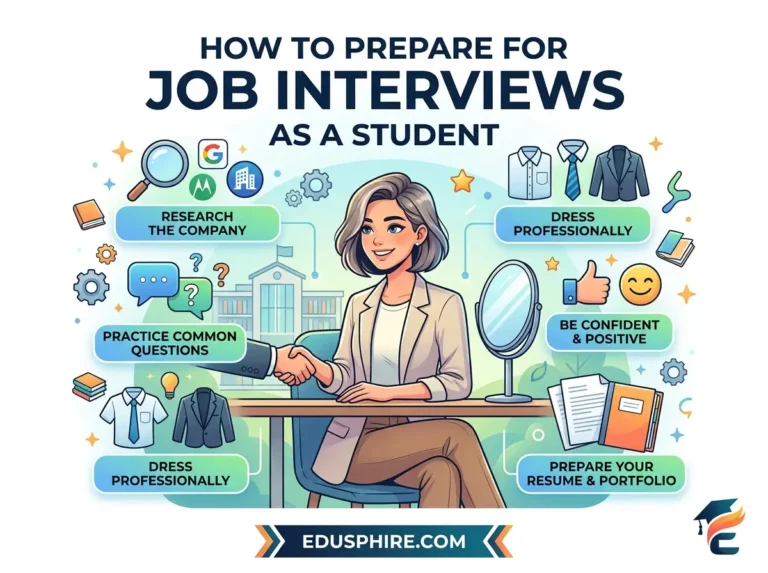
Colleges and universities in the United States offer numerous resources to help students build career skills. Career services centers provide resume reviews, mock interviews, job placement assistance, and career counseling. Libraries, labs, and innovation hubs offer access to tools, technology, and research opportunities.
Students should explore mentorship programs, entrepreneurship centers, and workshops on skill development. Engaging with these resources provides practical support, guidance, and access to opportunities that might otherwise be overlooked.
Develop Financial Literacy
Financial literacy is a critical career skill often overlooked by students. Understanding budgeting, saving, investing, and managing credit prepares students for professional life and personal independence. Financial knowledge helps make informed decisions about job offers, salary negotiations, and career investments.
Students can develop financial literacy through courses, workshops, or personal research. Practicing financial management while studying instills responsibility and long-term planning skills that benefit both career and life goals.
Embrace Volunteer Work and Community Engagement
Volunteer experiences build both skills and character. Community service enhances leadership, communication, teamwork, and empathy. Volunteering in areas related to a student’s career interest can provide practical experience, networking opportunities, and insight into the field.
Community engagement also reflects positively on resumes and demonstrates social responsibility. Employers often value candidates who contribute meaningfully beyond academics, signaling initiative and strong interpersonal skills.
Create a Portfolio of Work
A portfolio showcases your skills, accomplishments, and projects in a tangible format. For students, this could include academic projects, internships, volunteer work, or personal initiatives. A well-organized portfolio demonstrates practical abilities, creativity, and commitment.
Portfolios are particularly valuable in creative fields, technology, and professional services, but they can benefit nearly any industry. Students can share portfolios digitally on personal websites or professional platforms to enhance visibility and credibility with potential employers.
Cultivate Adaptability and Resilience
The ability to adapt to change and recover from setbacks is critical in today’s dynamic job market. Students face numerous challenges while studying, including tight schedules, demanding projects, and evolving academic requirements. Learning to manage these challenges builds resilience and adaptability.
Participating in diverse experiences, taking on new responsibilities, and stepping out of comfort zones strengthens these skills. Employers value candidates who can handle uncertainty, embrace change, and continue to perform under pressure.
Leverage Online Learning Platforms
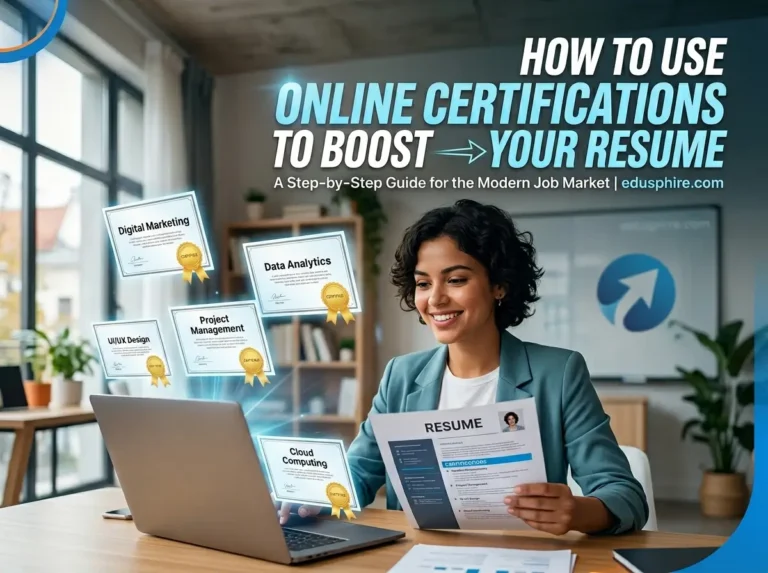
Online learning platforms provide access to specialized knowledge and skill development. Websites offering courses in coding, marketing, business, and soft skills enable students to acquire new abilities at their own pace. Platforms like LinkedIn Learning, Coursera, and Udemy offer certifications that can enhance resumes and LinkedIn profiles.
Integrating online learning with traditional education allows students to tailor their skill development to career goals and emerging industry needs. It’s an efficient way to supplement academic studies and gain expertise in relevant areas.
Seek Feedback and Reflect
Feedback is a powerful tool for improvement. Students should seek constructive feedback from professors, mentors, peers, and supervisors to identify strengths and areas for growth. Reflecting on experiences, successes, and challenges helps refine skills and develop self-awareness.
Regular reflection enables students to adjust strategies, set realistic goals, and continuously improve. This habit of seeking feedback and self-improvement demonstrates professionalism and commitment to growth.
Take Initiative and Demonstrate Leadership
Employers value candidates who take initiative and show leadership potential. Students can demonstrate this by proposing ideas, leading projects, or volunteering for responsibilities beyond their immediate duties. Leadership is not limited to formal positions; it can manifest in problem-solving, mentoring peers, or organizing activities.
Initiative and leadership indicate motivation, vision, and the ability to influence and inspire others. Cultivating these qualities while studying prepares students for advanced responsibilities in professional roles.
Final Thoughts
Build Career Skills while studying is not an optional extra; it is an investment in your future. By combining academic excellence with practical experience, soft skill development, digital literacy, and professional networking, students position themselves for success in the United States job market. Every internship, volunteer opportunity, online course, and campus activity contributes to a portfolio of skills that employers value.
The journey to career readiness begins with intentional actions and a mindset focused on growth. Balancing studies with skill development may be challenging, but the rewards are substantial: confidence, competence, and a strong professional foundation. Students who embrace these strategies will graduate not only with a degree but with a competitive edge that opens doors to meaningful and fulfilling careers.