
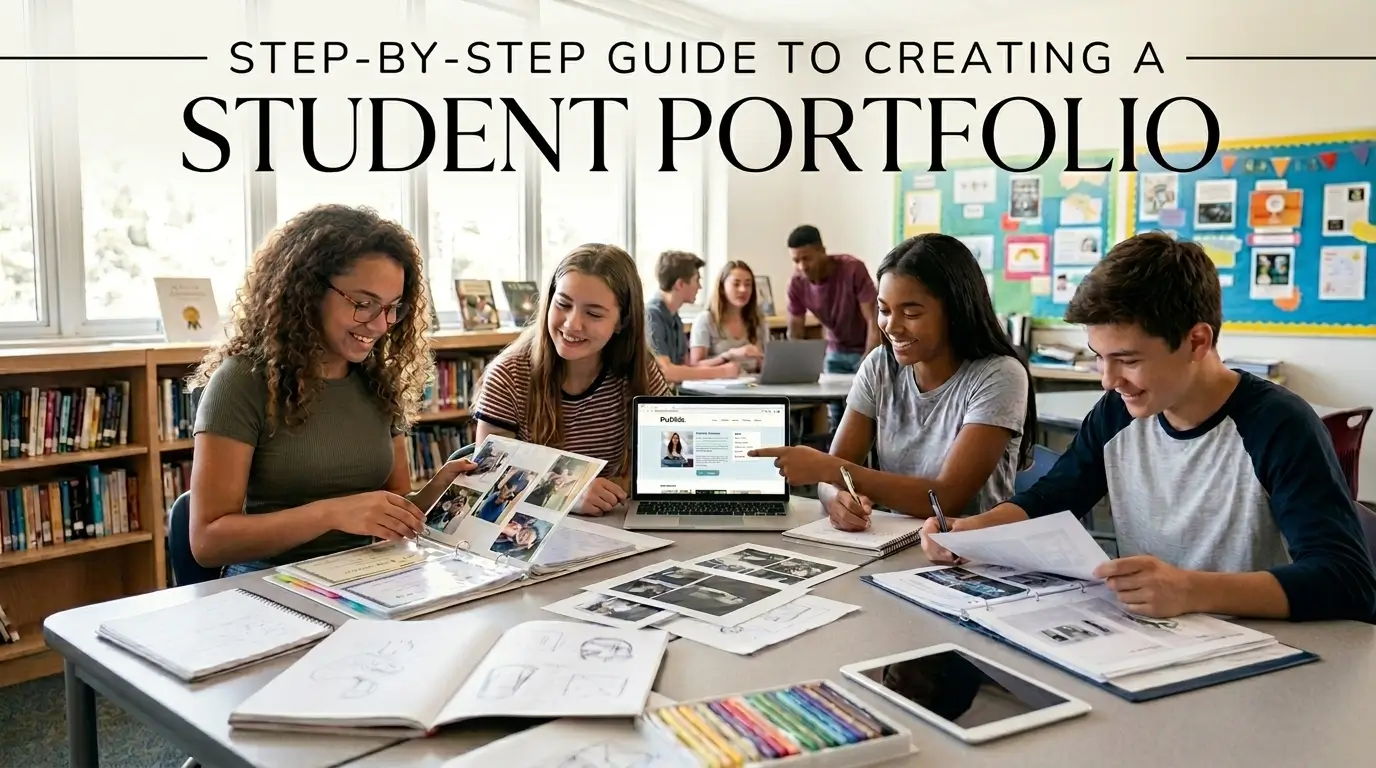
Step by Step Guide to Creating a Student Portfolio
Follow this step by step guide to creating a student portfolio In today’s competitive academic and professional environment, it’s essential. A well-crafted portfolio showcases your skills, achievements, and growth over time, giving teachers, colleges, and future employers a clear snapshot of your abilities. Whether you’re a high school student preparing for college applications or a college student seeking internships, creating a student portfolio can set you apart from the crowd.
This comprehensive guide will walk you through the entire process, step by step, to help you build a portfolio that is both professional and personal. From planning to organization, content creation to presentation, you’ll learn how to make a portfolio that truly reflects your academic journey and aspirations.
Step by Step Guide to Creating a Student Portfolio
Read the step by step guide to creating a student portfolio for extensive information.
Understanding the Purpose of a Student Portfolio
Before diving into the mechanics, it’s crucial to understand why a student portfolio matters. A portfolio isn’t just a collection of your work; it’s a narrative of your growth, a showcase of your skills, and a tool for self-reflection. Here’s what a strong portfolio can accomplish:
- Showcase Your Strengths – Highlight your best work, achievements, and talents to demonstrate what sets you apart.
- Track Progress – Keep a record of your academic and extracurricular growth over time, allowing both you and your teachers to see improvement.
- Support Applications – Colleges, universities, and scholarship committees often consider portfolios when evaluating applicants.
- Reflect Personal Development – A portfolio tells the story of your learning journey, including challenges you’ve overcome and skills you’ve mastered.
- Enhance Career Opportunities – Internships and part-time job applications can benefit from a clear, organized presentation of your skills and experiences.
Understanding these benefits will help you approach your portfolio with intention and purpose, ensuring it’s not just a collection of documents but a strategic tool for your future.
Step 1: Define Your Portfolio Goals
Every successful portfolio starts with clear goals. Ask yourself what you want your portfolio to achieve. Are you creating it for college admissions, scholarships, or internship opportunities? Your goals will influence the type of content you include, the organization, and the design.
Consider the following questions:
- Who will view this portfolio?
- What skills and accomplishments do I want to highlight?
- What type of projects or work best represent my abilities?
- Should it be digital, physical, or both?
Answering these questions early ensures that every element of your portfolio aligns with your objectives, making it more coherent and impactful.
also check study tips that improve your grades.

Step 2: Choose the Right Format
Student portfolios can take many forms, and the right format depends on your goals and audience. The two most common formats are physical portfolios and digital portfolios.
Physical Portfolios: These are traditional binders or folders that contain printed work samples, certificates, and projects. Physical portfolios are excellent for in-person interviews, exhibitions, and college fairs.
Digital Portfolios: These can be websites, PDF documents, or cloud-based platforms where you store your work digitally. Digital portfolios are versatile, easy to update, and perfect for remote submissions. Platforms like Google Sites, Wix, and Canva offer user-friendly templates for students.
Selecting the right format helps you focus on presentation and accessibility. If your goal is to impress colleges or potential employers, a digital portfolio may provide more flexibility and professional appeal.

Step 3: Gather Your Materials
A student portfolio is only as strong as the content you include. Start by gathering all your academic work, extracurricular activities, achievements, and personal projects. The goal is to collect materials that demonstrate your growth, skills, and dedication.
Include the following:
- Essays, reports, and research papers
- Art projects, photographs, or design work
- Science experiments, coding projects, or lab reports
- Certificates, awards, and honors
- Letters of recommendation
- Extracurricular activities and volunteer work
Take time to review each item critically. Only include work that reflects your strengths and aligns with your portfolio goals. Quality always outweighs quantity.
Step 4: Organize Your Portfolio
Once you have your materials, it’s time to organize them in a way that is logical and easy to navigate. A clear structure will make your portfolio more professional and engaging.
Suggested sections:
- Introduction: A brief overview of who you are, your interests, and your goals.
- Academic Achievements: Highlight top assignments, projects, and grades.
- Extracurricular Activities: Showcase involvement in clubs, sports, or community service.
- Skills and Certifications: Include special skills, technical abilities, and certifications.
- Personal Projects: Display creative or independent work that demonstrates initiative.
- Reflection Section: Reflect on your growth, learning experiences, and challenges.
Organizing your portfolio with clear sections ensures that anyone reviewing it can quickly find key information and appreciate your journey.
Step 5: Create an Engaging Introduction
Your portfolio introduction sets the tone. This section should give a snapshot of your personality, academic focus, and future ambitions. Aim for a few paragraphs that are concise yet compelling.
Include:
- Your name, grade level, or program
- Academic and personal interests
- Career aspirations or goals
- A statement about what this portfolio represents
A strong introduction helps the reader connect with you personally and understand the context of the work presented.
Step 6: Select and Highlight Your Best Work
Not all work belongs in a portfolio. Curate your collection carefully to include only your strongest, most relevant projects. Highlight variety by including different types of work, such as essays, presentations, creative projects, or research papers.
For each piece, provide:
- A title or brief description
- Date of completion
- Purpose or context of the work
- Key skills demonstrated
This approach allows the reviewer to understand not only what you did but also how it reflects your skills and growth.
Step 7: Showcase Your Skills
Portfolios are an excellent opportunity to demonstrate your abilities beyond grades. Identify skills that are valuable to your target audience, such as:
- Critical thinking and problem-solving
- Communication and writing
- Creativity and innovation
- Technical skills (coding, design, data analysis)
- Leadership and teamwork
Provide examples of how you applied these skills in your projects or extracurricular activities. For instance, a science project could highlight problem-solving skills, while a group presentation could demonstrate collaboration.
Step 8: Include Personal Projects and Extracurriculars
Colleges and employers value students who go beyond the classroom. Personal projects and extracurricular activities can make your portfolio stand out by showing initiative, passion, and versatility.
Include:
- Club involvement or leadership roles
- Volunteer work or community service
- Creative endeavors like art, music, or writing
- Internships, apprenticeships, or work experience
Document these experiences with photographs, reflections, or testimonials to illustrate the impact and skills gained.

Step 9: Reflect on Your Growth
Reflection is a critical component of a student portfolio. It shows self-awareness, maturity, and a commitment to continuous improvement. For each project or achievement, consider answering questions like:
- What did I learn from this experience?
- What challenges did I face, and how did I overcome them?
- How did this work contribute to my skills or goals?
Including reflections adds depth to your portfolio, transforming it from a simple record of accomplishments into a story of learning and growth.
Step 10: Design and Presentation
The visual appeal of your portfolio can significantly impact the reader’s impression. Ensure your portfolio is visually organized, professional, and easy to navigate.
Tips for presentation:
- Use clean layouts with headings and sections
- Incorporate visuals like images, charts, or diagrams where relevant
- Maintain consistency in fonts, colors, and formatting
- For digital portfolios, ensure responsive design and easy navigation
Remember, a portfolio that is aesthetically pleasing and well-organized reflects your attention to detail and professionalism.
Step 11: Review and Revise
No portfolio should be submitted without careful review. Check for:
- Spelling and grammar errors
- Broken links or missing files in digital portfolios
- Clarity and consistency of presentation
- Relevance of included work
Seek feedback from teachers, mentors, or peers to gain insights into how your portfolio can be improved. Revising based on constructive feedback ensures your portfolio is polished and impactful.
Step 12: Maintain and Update Your Portfolio
A student portfolio is a living document. As you progress academically and personally, your portfolio should evolve. Regular updates keep your portfolio current and reflective of your latest achievements.
Consider:
- Adding new projects, awards, or certifications
- Removing outdated or less relevant work
- Updating reflections and personal statements
- Enhancing visual elements as needed
Maintaining your portfolio ensures it remains a dynamic tool for applications, interviews, and self-reflection.
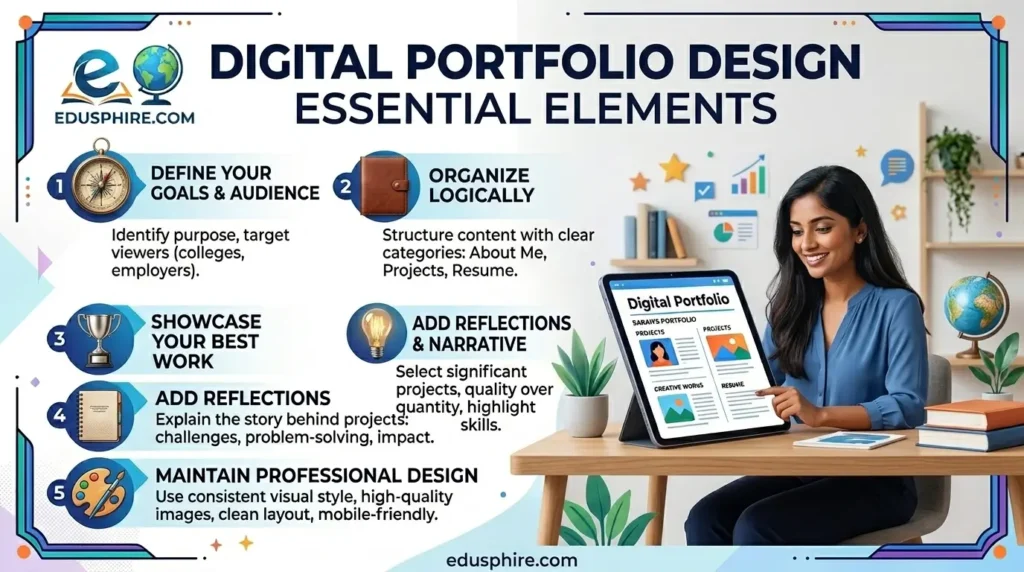
Step 13: Tips for Digital Portfolios
Digital portfolios offer unique advantages, especially in today’s tech-driven world. Here are some tips to maximize their impact:
- Use a simple, professional domain name if creating a personal website
- Embed multimedia elements like videos, slideshows, or interactive projects
- Optimize for mobile devices
- Include contact information and links to professional social media profiles, like LinkedIn
- Ensure easy navigation with menus, tabs, or clickable sections
A digital portfolio not only showcases your work but also demonstrates digital literacy, which is a valuable skill for colleges and employers alike.
Step 14: Crafting a Portfolio for College Applications
For students applying to colleges, the portfolio should emphasize academic excellence and personal growth. Include:
- High-quality writing samples or creative projects
- Evidence of leadership and community involvement
- Strong reflections that show maturity and self-awareness
- Any specialized projects related to intended major or field of study
Colleges appreciate portfolios that go beyond grades, providing a holistic view of the student’s abilities, interests, and potential contributions to their community.
Step 15: Preparing a Portfolio for Internships or Jobs
When targeting internships or part-time jobs, your portfolio should highlight practical skills and relevant experience. Focus on:
- Projects that demonstrate problem-solving and technical skills
- Work experience or volunteer activities
- Evidence of teamwork, leadership, and initiative
- Professional formatting and concise descriptions
Tailor your portfolio to align with the expectations of your industry or employer, making it easy for them to see why you are a strong candidate.
Step 16: Using Your Portfolio as a Conversation Starter
A portfolio can be more than a submission—it can be a tool to start meaningful conversations. During interviews or presentations:
- Walk your audience through key projects
- Explain the challenges faced and how you overcame them
- Discuss what you learned and how it applies to your future goals
Using your portfolio in this interactive way demonstrates confidence, communication skills, and the ability to reflect on your experiences.
Step 17: Common Mistakes to Avoid
Even well-intentioned portfolios can fall short if certain pitfalls aren’t addressed. Avoid these common mistakes:
- Overloading the portfolio with too much content
- Including irrelevant or low-quality work
- Neglecting reflections and context for each project
- Poor organization or confusing navigation
- Ignoring design and readability
Focusing on quality, clarity, and relevance ensures your portfolio makes a lasting impression.
Step 18: Inspiration and Creativity
A portfolio should also reflect your personality and creativity. Consider incorporating:
- Personal branding elements, like a logo or consistent color scheme
- Creative layouts that enhance readability
- Unique projects or personal achievements that differentiate you
- Multimedia content that brings your work to life
Creativity in presentation can make your portfolio memorable while still maintaining professionalism.
Step 19: Encouragement and Mindset
Creating a student portfolio can feel overwhelming, but remember that it’s a journey. Take time to reflect on your achievements and growth. Your portfolio is a celebration of your hard work and dedication, so approach it with pride and enthusiasm.
Start small, update regularly, and view the portfolio as an evolving story rather than a one-time task. With commitment and thoughtfulness, your portfolio will become a powerful tool for your academic and professional future.
Final Thoughts
A student portfolio is more than a collection of documents—it’s a strategic representation of your skills, achievements, and growth. By following this step-by-step guide, you can create a portfolio that is organized, professional, and reflective of your unique journey.
Remember to define your goals, curate high-quality work, reflect on your experiences, and maintain your portfolio over time. Whether for college applications, scholarships, internships, or job opportunities, a well-crafted portfolio sets you apart and opens doors to future success. Start today, and let your portfolio tell the story of your accomplishments, skills, and aspirations in the most compelling way possible.