
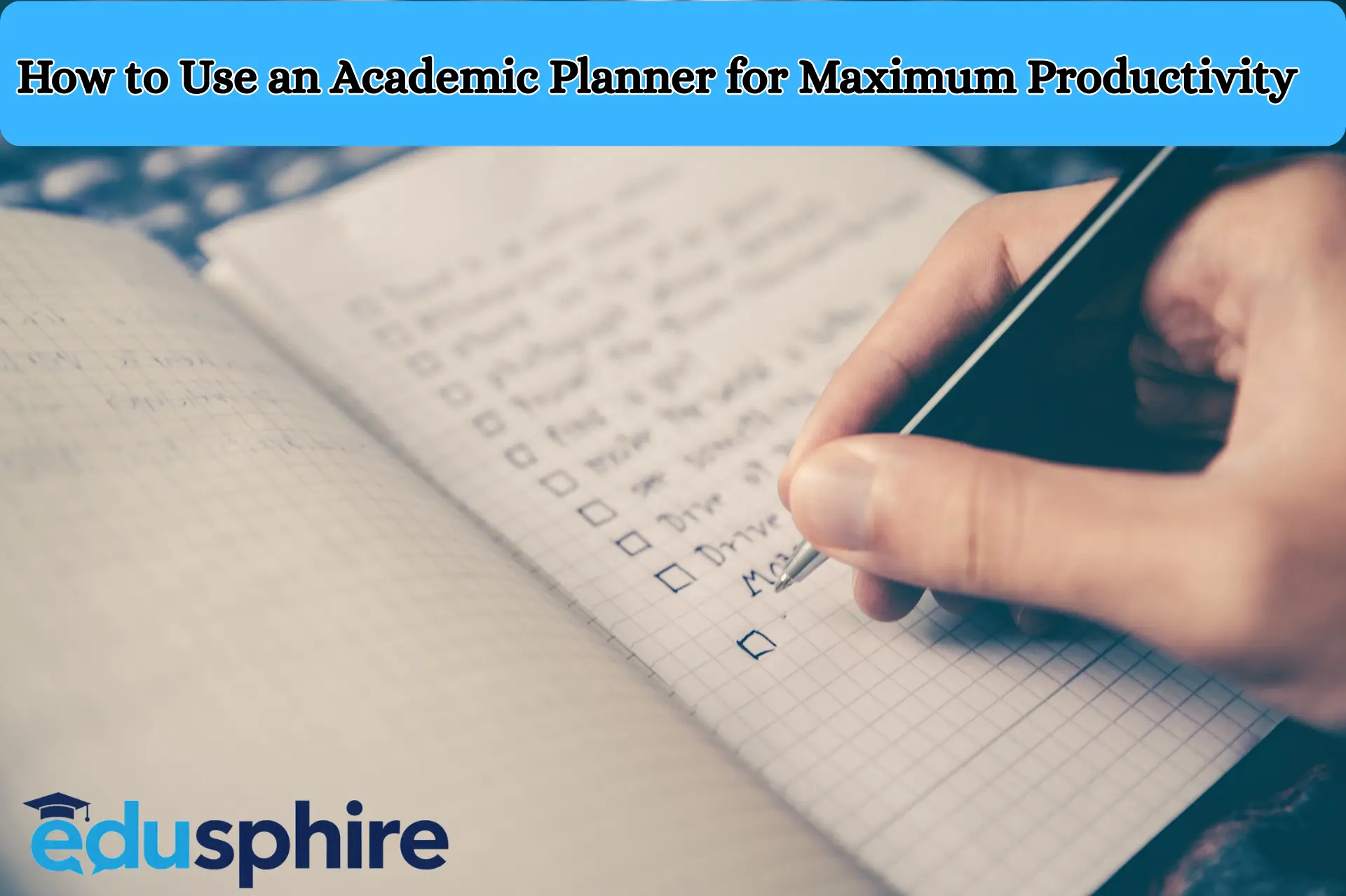
How to Use an Academic Planner for Maximum Productivity?
Academic life is exciting but also demanding. Students juggle lectures, assignments, exams, extracurricular activities, and social commitments. Without proper organization, it’s easy to feel overwhelmed and unproductive. One of the most effective tools to combat this chaos is an academic planner. When used correctly, it can transform your academic performance, reduce stress, and help you achieve your goals efficiently.
In this article, we’ll explore practical strategies on how to use an academic planner for maximum productivity, share tips for time management, and provide examples to ensure every student can benefit from structured planning.
What is an Academic Planner for Maximum Productivity?
An academic planner is more than a simple calendar. It’s a personalized organization tool designed to track coursework, deadlines, exams, and personal commitments throughout the school year. Academic planners come in various formats: physical notebooks, digital apps, or hybrid planners that combine both.
Key features for Academic Planner for Maximum Productivity:
- Monthly and weekly layouts for scheduling
- Assignment and exam trackers
- Goal-setting sections
- Notes and reflections pages
- Habit trackers
Using an academic planner regularly can enhance focus, reduce procrastination, and help students stay accountable. It’s not just about writing down dates—it’s about structuring your life for academic planner for maximum productivity.
Why Students Need an Academic Planner for Maximum Productivity
1. Time Management Made Easy
Time management is a critical skill for academic success. A planner helps you prioritize tasks, allocate sufficient study time, and balance academic and personal life.
2. Reduces Stress and Overwhelm
Seeing your tasks laid out visually reduces anxiety. Instead of worrying about forgetting assignments, you have a clear roadmap for the week and month.
3. Boosts Productivity
Planning ahead encourages intentional work. By breaking projects into smaller tasks and scheduling them, students spend less time procrastinating and more time achieving results.
4. Improves Academic Performance
Students who use planners effectively are often more organized, submit assignments on time, and prepare thoroughly for exams. This systematic approach can lead to higher grades and better learning retention.
Keyword Boost: academic planner benefits, planner for students, productivity tips for college students, how to stay organized in college.
also check: 7 Productivity Hacks Every College Student Needs.
Choosing the Right Academic Planner
Selecting the right planner is essential for Academic Planner for Maximum Productivity. Here’s what to consider:
1. Format: Digital vs. Physical
- Digital planners: Apps like Google Calendar, Notion, Todoist, and Trello are versatile and accessible across devices. They allow reminders, recurring tasks, and color-coding.
- Physical planners: Writing tasks by hand can improve memory retention. They also give a tactile satisfaction and a break from screen time.
2. Layout and Design
Choose a layout that suits your style for Academic Planner for Maximum Productivity:
- Daily planners: Great for students with packed schedules.
- Weekly planners: Ideal for visualizing your week at a glance.
- Monthly planners: Perfect for long-term planning and tracking deadlines.
3. Extra Features
Look for planners that include goal sections, habit trackers, and study tips. These features support academic growth beyond task management.
Step-by-Step Guide: Using an Academic Planner Effectively
Step 1: Set Your Academic Goals
Before scheduling tasks, define your goals. These could include:
- Improving grades in a specific subject
- Completing research projects ahead of time
- Developing a consistent study routine
Write these goals in your planner’s goal section or at the start of each month. Using SMART goals (Specific, Measurable, Achievable, Relevant, Time-bound) ensures clarity and focus.
Step 2: Input All Key Dates
Add all important deadlines, exams, class schedules, and extracurricular events. Include:
- Assignment due dates
- Quiz and exam schedules
- Study group sessions
- Campus events or club meetings
This gives a complete overview of your semester and allows you to plan backward from deadlines.
Step 3: Break Tasks into Manageable Chunks
Large tasks can feel overwhelming. Break them into smaller steps:
- Research
- Draft
- Review
- Edit
- Submit
Assign each step a specific date or time block in your planner to prevent last-minute cramming.
Step 4: Prioritize Tasks
Use a simple prioritization system, such as:
- High priority: Must be completed today
- Medium priority: Important but can be done later in the week
- Low priority: Optional or less urgent
This helps you focus on tasks that have the most impact on your productivity and grades.
Step 5: Schedule Daily and Weekly Study Sessions
Use your planner to allocate dedicated time for studying. Tips include:
- Study during your peak productivity hours
- Use time-blocking for subjects that require deep focus
- Include short breaks to prevent burnout
Keyword Boost: time blocking for students, study schedule tips, student productivity hacks
Step 6: Review and Adjust
Set aside 10–15 minutes each evening or morning to review your planner. Update tasks, move incomplete items, and add new priorities. Regular review keeps you accountable and flexible.
Step 7: Track Habits and Progress
Many planners include habit trackers for:
- Exercise
- Sleep schedule
- Study consistency
- Hydration
Tracking habits ensures a balanced lifestyle, which directly influences productivity.
Tips for Maximum Productivity with a Planner
Use Color-Coding
Assign colors for different types of tasks:
- Blue: Classes
- Green: Study sessions
- Red: Deadlines
- Yellow: Personal commitments
Color-coding provides a visual snapshot of your schedule, helping you identify overloaded days.
Include Breaks and Self-Care
Scheduling breaks and downtime is essential. Even a 10-minute walk or snack break boosts focus and prevents fatigue.
Combine with the Pomodoro Technique
Pair your planner with the Pomodoro Technique. Plan tasks in 25–50 minute intervals, with short breaks in between. Note completed Pomodoros in your planner for a sense of achievement.
Keep It Accessible
Whether digital or physical, your planner should always be within reach. This ensures you capture tasks as they arise and maintain an organized workflow.
Regularly Reflect
At the end of each week, reflect on:
- What tasks you accomplished
- Where you wasted time
- How you can improve next week
Reflection encourages continuous improvement and smarter planning.
Digital Academic Planners vs. Paper Planners
Both formats have advantages.
Digital Planners
- Pros: Reminders, integration with devices, easy to edit
- Cons: Screen time, can be distracting if not managed
Paper Planners
- Pros: Tangible, improves memory retention, reduces screen fatigue
- Cons: Harder to adjust or sync with digital calendars
Some students benefit from a hybrid approach, using a digital planner for reminders and a paper planner for detailed notes and habit tracking.
Common Mistakes to Avoid
- Not Reviewing Your Planner Daily – A planner is useless if ignored.
- Overloading Your Schedule – Unrealistic planning leads to stress.
- Ignoring Breaks – Rest is essential for focus and productivity.
- Being Too Rigid – Flexibility ensures you can adapt to unexpected events.
- Skipping Goal Setting – Without goals, your tasks may lack direction.
Conclusion: Your Planner is a Productivity Game-Changer
An academic planner is more than a calendar—it’s a tool for self-discipline, goal achievement, and stress management. By setting goals, scheduling tasks, breaking assignments into manageable steps, and tracking habits, students can maximize their productivity and enjoy a more organized academic life.
Remember: productivity isn’t about working harder—it’s about working smarter, staying organized, and maintaining balance. Whether you choose a digital planner, a paper version, or a hybrid system, consistent use will help you achieve academic success and improve your overall well-being.
FAQs About Using an Academic Planner
Q: How often should I update my academic planner?
A: Ideally, review your planner daily and update weekly to reflect changes and new tasks.
Q: Can academic planners help with long-term goals?
A: Yes. Planners allow you to map out semester or yearly goals and track progress incrementally.
Q: How do I balance academic and personal tasks?
A: Use color-coding or sections to distinguish between personal commitments and academic responsibilities, ensuring balanced time management.
Q: Are digital planners better than paper planners?
A: Both have pros and cons. Choose based on your learning style, need for reminders, and preference for tactile or digital tools.
Q: How can I make planner use a habit?
A: Set a daily routine to review and update your planner, pairing it with morning coffee or evening wind-down to form a consistent habit.